Blue Sea Font for Web Design
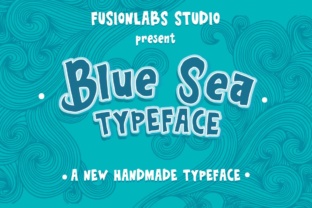
Blue Sea is a unique display font that brings a handcrafted, vintage feel to digital design. Its sketchy, informal style makes it ideal for creative projects where a personal touch matters. Whether you're working on a website header or a social media graphic, Blue Sea adds character without overwhelming the layout.
The font’s ornamental uppercase characters and irregular shapes give it a playful yet professional edge. It works well in situations where a more traditional typeface might feel too rigid. For web designers, this means more flexibility in expressing brand personality while maintaining visual appeal.
Using Blue Sea in Web Layouts
Blue Sea shines in headings, banners, and call-to-action buttons. Its expressive strokes make it perfect for hero sections that need to grab attention. When used in short phrases, it enhances readability while keeping the design engaging.
For landing pages, Blue Sea can be paired with a clean sans serif font for body text. This contrast creates a strong visual hierarchy, guiding users through content while keeping the overall look modern and professional. In online stores, it adds a distinctive flair to product titles and promotional banners.
In blog headers or course pages, Blue Sea helps establish a clear identity. It’s especially effective when used sparingly, ensuring it doesn’t distract from the main message. For portfolio sites, it gives a personal, artisanal feel that aligns with creative industries.
Readability and Responsive Design
While Blue Sea is not designed for long paragraphs, it performs well in smaller text sizes when used appropriately. On mobile screens, it maintains legibility as long as it’s not overused. For buttons or icons, its stylized forms add visual interest without compromising usability.
When placed over dark backgrounds or image overlays, Blue Sea benefits from high contrast. Lighter versions of the font work best in these scenarios, ensuring clarity without sacrificing style. For web designers, this means thoughtful placement and sizing are key to maintaining a polished look across devices.
Font Pairing and Brand Identity
Pairing Blue Sea with a simple serif or sans serif font creates a balanced composition. A minimalist body font allows the display font to stand out while keeping the overall design cohesive. This pairing is ideal for editorial layouts, SaaS landing pages, and branded web assets.
For a more formal tone, consider using a script font alongside Blue Sea. This combination works well in luxury or lifestyle branding, where elegance and creativity go hand in hand. In contrast, a bold sans serif can provide a modern twist, making Blue Sea fit into a wide range of design aesthetics.
When building a brand identity, consistency is crucial. Using Blue Sea in logos, headings, and decorative elements reinforces brand recognition. It’s particularly useful for creative businesses, such as boutique online stores, coaching websites, and digital product launches.
Practical Considerations for Web Designers
Before using Blue Sea, check the available styles, file formats, and webfont support. Many premium fonts include multiple weights and alternates, which can enhance design flexibility. Ensure the font supports the languages your audience uses, especially if targeting international markets.
Commercial licensing is an important factor for web designers. Make sure the font license covers use on websites, client projects, and digital templates. This avoids legal issues and ensures your design work remains compliant and professional.
Blue Sea is a versatile tool for digital creators looking to add a handwritten, vintage vibe to their work. Its blend of informality and elegance makes it suitable for a variety of applications, from creative portfolios to e-commerce banners. By using it strategically, web designers can elevate their layouts while maintaining clarity and impact.
Whether you're designing a landing page, a social media graphic, or a brand kit, Blue Sea offers a fresh alternative to standard typefaces. Its unique personality and adaptability make it a valuable addition to any designer's toolkit.