The Simsalabim Typeface
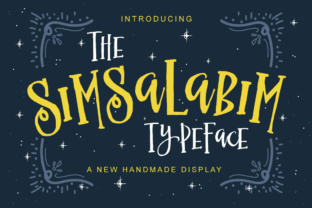
There’s something about the way The Simsalabim Typeface lands on a page that feels like a warm hug. I was working on a set of candle labels last week, and as I typed out the name of the scent—Lavender Moon—I felt that familiar spark of creativity. This font has this handcrafted energy that makes everything it touches feel personal and authentic.
It’s a display font, yes, but it doesn’t shout. It whispers with charm, with a slightly uneven baseline and soft curves that suggest someone sat down with a pen and just let their fingers do the walking. It’s perfect for anything that needs a little personality without being too loud.
One of the first things I noticed when I started using The Simsalabim Typeface was how well it worked with other fonts. I paired it with a clean sans serif for the ingredient list on my candle labels, and it created a nice balance. The contrast made the text easy to read while keeping the overall design playful and inviting.
I’ve used it on greeting cards, too. For a birthday card, I typed out "Happy Birthday" in The Simsalabim Typeface and added a few hand-drawn illustrations around it. The font brought a sense of whimsy that matched the tone of the card perfectly. It’s not just for big statements—it works great for short phrases, names, or even decorative elements.
When I was designing a set of printable wall art, I tried different fonts to see what would stand out. The Simsalabim Typeface caught my eye because of its unique character. It added a vintage flair that made the designs feel more like one-of-a-kind pieces rather than mass-produced prints. I used it for the title and some accent text, and it gave the whole layout a cohesive, handmade look.
For seasonal products, like holiday tags or farmhouse signs, The Simsalabim Typeface is a go-to. I recently made a set of Christmas tags for a small shop, and the font added that perfect retro touch. It wasn’t too fussy, but it had enough detail to make each tag feel special. I also used it on a welcome board for a wedding, and it complemented the rustic vibe of the event beautifully.
When working with cutting machines, like Cricut or Silhouette, I always check how a font will translate into physical shapes. The Simsalabim Typeface holds up well, especially when used for short phrases or titles. It’s important to keep the text simple and avoid long paragraphs, but when used correctly, it adds a lot of visual interest without complicating the design.
For product packaging, I’ve found that The Simsalabim Typeface can help reinforce brand identity. If you’re selling handmade items, having a consistent look across all your materials makes a big difference. Using the same font on labels, tags, and digital listings creates a sense of professionalism and care that customers appreciate.
One thing I always remind myself is to test the font in different sizes and formats. On a small sticker, it still looks good, but if you're using it for a large banner or sign, you might want to adjust the spacing or add some extra weight to ensure it remains legible. It’s a versatile font, but like any design element, it works best when used thoughtfully.
If you're planning to use The Simsalabim Typeface for commercial purposes—like selling printed items, digital downloads, or merchandise—it’s a good idea to check the licensing details. Make sure you have the right to use it in your specific context, especially if you're creating templates or printables for others to use.
Overall, The Simsalabim Typeface has become a staple in my design toolkit. It brings a sense of warmth and individuality to every project I work on. Whether I'm making labels, invitations, or digital art, it adds that extra layer of creativity that makes my work stand out.
It's a font that feels like it was made by someone who truly understands the joy of crafting. And that, more than anything, is what makes it so appealing to makers and sellers alike.
From candle labels to wedding signs, The Simsalabim Typeface has proven itself to be a reliable and charming choice. It’s a font that doesn’t just look good—it feels good, and that’s what makes it so valuable in the world of handmade and creative design.